Somewhere between a physiotherapy clinic and a boutique gym, a new kind of workout has quietly taken over conversations among people who simply don’t have three hours a week to spare for a barbell. It involves a suit full of electrodes, twenty minutes on the clock, and a claim bold enough to make most trainers raise an eyebrow: that this session can do the work of an entire gym visit.
For anyone juggling back-to-back meetings, a flight to catch, or a household that runs on borrowed time, that claim is hard to ignore. But before signing up, there’s a fair question worth asking. Can EMS training genuinely replace hours of conventional exercise, or is this just a clever bit of marketing dressed up as science? The answer lies in how the body actually responds to electrical stimulation, and where that science lines up with the hype.
What Makes EMS Training Different From Traditional Exercise?
A regular workout runs entirely on signals from your brain to your muscles. EMS fitness throws a second layer into that equation. A fitted suit delivers electrical impulses that work alongside your own effort, not instead of it, so the muscles you’re already using end up firing harder than they would on their own.
1. How EMS Activates Muscles Differently from Conventional Exercise
Every movement you make begins as an electrical signal from your brain. During a session, the EMS suit adds its own carefully calibrated impulses on top of that, deepening the contraction in muscles that are already at work.
A few things follow from this:
- Stronger muscle activation, even during simple, low-impact movements
- Better muscle recruitment across several muscle groups at the same time
- Higher workout intensity without loading up on heavy external weight
- A genuinely time-efficient workout, built for people who don’t have spare hours to give
- Less pressure on the joints, since there’s rarely any heavy external load involved
Whether it’s right for you still comes down to your own health history, which is exactly why sessions are supervised by trained professionals rather than left to trial and error.
2. What Happens During a Typical 20-Minute Session?
Providers vary in the small details, but most EMS studios follow roughly the same sequence.
| Stage | What Actually Happens |
| Consultation | Trainer goes through your goals, fitness level, and medical history |
| Suit fitting | Electrodes get positioned and adjusted for proper contact |
| Intensity calibration | Electrical output is dialled in for each muscle group individually |
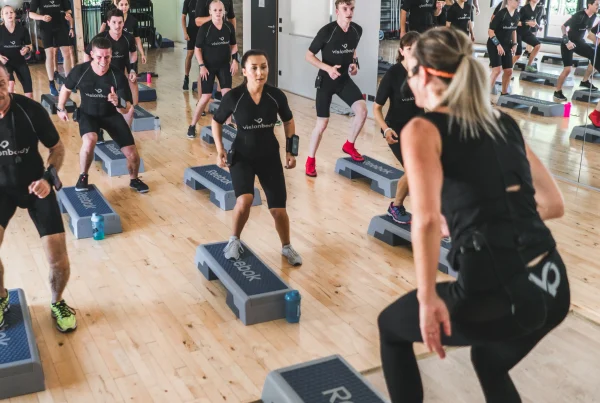
| Guided movement | You move through functional exercises while the impulses activate target muscles |
| Cool-down | The session winds down with light movement and quick feedback |
At The Wellness Co., sessions follow this same format, with personal training built around what each client is actually trying to achieve, so those twenty minutes go toward working rather than working out what to do next.
Quick Takeaway: EMS isn’t doing the workout for you. It’s making the effort you’re already putting in go further.
The Truth Behind the “20 Minutes Equals Hours at the Gym” Claim
1. Muscle Recruitment Matters More Than Workout Duration
A longer workout isn’t automatically a better one. Think about how much of a typical gym session actually goes toward active muscle work, once you strip out the walking between machines, the waiting for equipment, and the rest between sets.
| Gym Session | EMS Session |
| Rest between sets | Continuous, timed activation |
| Waiting for equipment | No equipment queue |
| Adjusting machines | Pre-set, personalised intensity |
| One muscle group at a time | Several muscle groups engaged together |
That’s really where EMS gets its edge, by compressing active time into a tight window. It doesn’t mean every result becomes identical to hours spent lifting weights; different training methods still push the body in different ways.
2. What Does the Science Actually Say?
India’s own activity numbers explain why structured, efficient training actually matters here:
- ICMR-INDIAB study: A large chunk of urban Indian adults just aren’t moving enough, and researchers link that pattern straight to climbing diabetes and heart disease rates.
- Consensus Physical Activity Guidelines for Asian Indians: Points to 60 minutes of daily movement, split across 30 minutes of moderate cardio, 15 minutes of work-related activity, and 15 minutes of strength training, given how common type 2 diabetes and coronary heart disease already are in this population.
- National Health Portal of India: Suggests strength training for the major muscle groups at least twice a week, in addition to regular cardio.
- ICMR-NIN Dietary Guidelines for Indians (2024): Puts consistent physical activity right alongside balanced eating as a core defence against lifestyle diseases.
3. Marketing Claims Versus Realistic Expectations
| The Claim | The Reality |
| “20 minutes replaces the whole gym” | EMS gets you efficiency, but different goals still need different tools. |
| “Results happen automatically” | Sleep, food, and showing up consistently are still doing most of the work. |
| “No effort required” | You’re still moving, actively, for the whole session. |
| “Works for everyone” | Get existing health conditions checked out first. |
Quick Tip: A shorter workout you’ll actually stick to every single week will beat a perfect routine you keep skipping, every time.
Can EMS Training Replace Traditional Gym Workouts?
1. Can EMS Replace Strength Training for Muscle Building?
For general muscle strength and lean muscle development, EMS holds its own. Competitive lifters chasing progressive overload will still want heavier external resistance, but for most people, it’s a legitimate strength training alternative that doesn’t demand hours in a weights room to show up.
2. Can EMS Help With Weight Loss?
Weight loss was never going to come down to one workout method. Calorie intake, sleep, and how much you move through the rest of your day all play a part. Where EMS helps is through better metabolic conditioning and muscle preservation, and since muscle burns more energy at rest than fat does, that can nudge calorie expenditure in the right direction over time. It supports the process. It doesn’t replace it.
3. What About Cardiovascular Fitness?
This is where traditional exercise still holds the advantage. India’s National Family Health Survey, along with multiple ICMR studies, has repeatedly pointed to sedentary lifestyles as a major factor behind the country’s rising heart disease numbers, and activities like walking, running, and cycling continue to do more for heart and lung health than any twenty-minute strength session can.
4. When EMS Delivers the Greatest Value
EMS earns its keep for people who travel constantly, deal with unpredictable schedules, want guided coaching without the guesswork, or simply want to fold an efficient session into an existing routine rather than start from scratch.
Why Do Some People See Better Results Than Others?
1. Session Frequency Matters
Progress comes from showing up regularly, not from one standout session. Spacing sessions out properly gives muscles the time they need to recover and adapt.
2. Nutrition and Recovery Are Equally Important
Recovery optimisation rests on protein intake, hydration, sleep, and how well you manage stress. No piece of fitness technology, however advanced, can make up for consistently poor recovery habits, which is part of why the ICMR-NIN guidelines pair their activity recommendations with advice on adequate protein intake for muscle maintenance.
3. Consistency Always Wins Over Intensity
Small habits repeated week after week, turning up, eating reasonably, resting properly, tend to beat the occasional burst of motivation by a wide margin.
The Real Results Timeline: What Can You Expect?
| Timeframe | What People Typically Notice |
| First 30 days | More energy, better posture, sharper body awareness |
| Around 60 days | Improved definition, better functional fitness, easier daily movement |
| Around 90 days | Visible body composition change, stronger performance, habits that stick |
Is EMS Training Worth the Investment?
| Feature | Traditional Gym | Personal Training | Whole-Body EMS |
| Session length | 60–90 minutes | 60 minutes | Around 20 minutes |
| Supervision | Optional | Included | Included |
| Time efficiency | Moderate | Moderate | High |
| Multiple muscle groups at once | Moderate | Moderate | Yes |
Who Benefits Most From EMS?
EMS tends to earn its place among people whose lifestyles make a traditional gym routine hard to sustain, rather than among people who simply dislike exercise.
1. Busy professionals who can carve out 20 minutes but not 90, and need every session to count
2. Parents are juggling school runs, work, and everything in between, with almost no buffer time in the day.
3. Frequent travellers who need a workout that doesn’t depend on finding a well-equipped gym wherever they land
4. People restarting fitness after a break, injury, or long stretch of inactivity, who want structured personal training rather than figuring things out alone.
5. Anyone craving accountability, since every session is guided rather than self-directed
What ties these groups together isn’t a fitness level. It’s a need for time-efficient workouts that still deliver real muscle activation, without asking for a commitment their schedule genuinely can’t support.
Frequently Asked Questions
1. Can EMS replace strength training?
For general strength and toning, mostly yes. Competitive strength athletes will still want to pair it with heavier resistance work.
2. How often should I do EMS training?
Most programmes suggest one to two sessions a week, which gives muscles enough time to recover between visits.
3. Is EMS safe?
Under professional supervision with certified equipment, it’s considered safe for most people, though certain medical conditions may need a doctor’s sign-off first.
4. Does EMS help with weight loss?
It plays a supporting role through muscle preservation and better conditioning, but nutrition and daily activity still do most of the work.
5. How quickly will I see results?
Many people notice improved posture and energy within the first month, with visible changes in body composition usually appearing after two to three months of consistent training.
Smarter Fitness Begins With Smarter Choices
EMS was never meant to erase the gym from your routine. It exists for people who need their workouts to work harder in less time, without cutting corners on quality. That idea sits at the heart of what The Wellness Co. does.
As India’s first integrative luxury wellness clinic network, it has built its approach around three simple principles: oxygenation, hydration, and circulation, all aimed at helping high achievers manage the strain that comes with performing at their peak, day after day. With centres across Delhi, Gurugram, Mumbai, Bengaluru, Hyderabad, Ahmedabad, Chennai, and Ludhiana, alongside its dedicated retreat at Karma Lakelands, the brand brings together USFDA, CE, and ISO-approved therapies, ranging from whole-body EMS and IV drip therapy to cryotherapy and hyperbaric oxygen therapy, all under one roof, delivered by teams who treat every session as a step toward a longer, healthier, more capable version of you.
If a time-efficient workout that actually fits your week sounds like something worth trying, book a consultation with The Wellness Co. at 1.800.121.2429 and find out what a smarter approach to fitness feels like.
Disclaimer: This blog is intended for general informational purposes only and does not constitute medical advice. Individual results from EMS training may vary based on health status, consistency, and lifestyle factors. Please consult a qualified healthcare professional before starting any new fitness or wellness programme, particularly if you have an existing medical condition.