If your knees stiffen through Gurugram’s long desk hours, or your back tightens every time Delhi’s winter rolls in, joint pain has a way of quietly taking over. Most people reach for a painkiller and push through, but that does not touch the underlying inflammation. Red light therapy takes a different approach. Rather than suppressing pain signals, it works at the cellular level to address their underlying cause.
What Is Red Light Therapy and How Does It Work?
Red light therapy, also known as photobiomodulation therapy or low-level laser therapy (LLLT), delivers specific therapeutic wavelengths of light through the skin into the tissue beneath. These wavelengths are absorbed by the mitochondria inside the cells, which respond by producing more ATP, the energy used to carry out tissue repair and healing, reduce oxidative stress, and regulate inflammation.
Red Light vs. Near-Infrared Light
The two wavelengths serve different purposes, and understanding the difference is particularly relevant to joint pain.
| Feature | Red Light | Near-Infrared Light |
| Wavelength range | 630 to 700 nm | 700 to 1100 nm |
| Tissue penetration | Skin and shallow tissue | Deep muscles and joints |
| Best suited for | Surface inflammation, skin health | Joint pain and deep tissue repair |
Near-infrared light treatment penetrates deep enough to reach the joint tissue where inflammation actually accumulates. At The Wellness Co., both wavelengths are delivered simultaneously through USFDA- and CE-approved devices, so the treatment reaches the appropriate tissue at the appropriate depth.
Understanding Joint Pain and Inflammation
Acute vs. Chronic Inflammation
Not all inflammation signals a problem. When you roll an ankle, the swelling that follows is your immune system responding correctly, and it settles as the injury heals. Chronic inflammation does not settle. It persists for months or years, gradually wearing down cartilage, depleting synovial fluid, and keeping the surrounding muscles in low-grade tension.
For people across Indian cities managing pollution, prolonged sitting, and high-stress schedules, it sits beneath many joint complaints that get brushed off as normal wear and tear.
Common Musculoskeletal Conditions Behind Persistent Joint Pain
1. Osteoarthritis: the most widespread form of cartilage damage occurs in the knees and hips, and is worsened by the humid climate in India during the summer months and by more sedentary lifestyles.
2. Rheumatoid Arthritis: An autoimmune disease that assaults the linings of joints and usually spikes with the weather shifts prevalent across North India.
3. Post-Surgical Stiffness: Pain that persists in the joint following orthopaedic surgery, retarding functional recovery.
4. Desk-Related Stiffness: It is becoming a widespread condition among professionals in Mumbai, Bengaluru, and the Delhi NCR, where most people spend most of their time seated at their desks.
What the Research Says
Peer-reviewed studies on low-level laser therapy report consistent reductions in joint pain and morning stiffness, particularly in knee osteoarthritis. Cochrane systematic reviews have found LLLT to be more effective than placebo for pain in rheumatoid arthritis, with no serious side effects reported.
Following injury, infrared light treatment aids cartilage regeneration and accelerates tendon recovery. Anti-inflammatory action accumulates over sessions and does not provide instant results. There is limited long-term data (more than six months), but in existing research, red light therapy is consistently effective in reducing pain and improving joint function without the side effects associated with long-term pharmaceutical use.
How Red Light Therapy Reduces Inflammation
Cytokine Regulation
In chronic joint diseases, pro-inflammatory cytokines such as TNF-alpha and IL-6 are persistently elevated far beyond useful levels and continue to cause tissue destruction long after the stimulus. Photobiomodulation therapy suppresses these cytokines, thereby alleviating cellular inflammation rather than merely suppressing surface pain.
Improved Circulation and Tissue Oxygenation
Infrared light therapy increases local blood flow to the affected joint, bringing more oxygen to damaged tissue while flushing out inflammatory waste. This improved circulation is why drug-free pain relief becomes possible across a course of sessions, without medication involved.
Collagen Stimulation
Collagen is what holds cartilage, tendons, and connective tissue together. Red light therapy appears to stimulate its production within the joint, which, over time, may help slow tissue breakdown. For people in the early stages of arthritis or recovering from a tendon injury, the practical benefit of collagen regeneration is most evident.
What to Expect at The Wellness Co.
Session Length and Frequency
Sessions at The Wellness Co. run between 10 and 20 minutes. For joint pain, you’ll typically come in more often in the first few weeks as the anti-inflammatory effect builds, then taper to a maintenance schedule once your body settles into it. How often you come matters more than how long each session runs.
Safety and Comfort
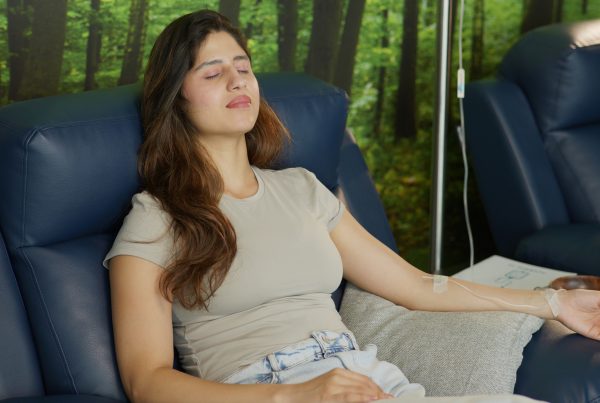
Red light therapy is entirely non-invasive. There is no heat, no discomfort, and no recovery period. It does not produce UV radiation, and most clients find the sessions relaxing rather than clinical.
Habits That Support Your Treatment
1. Hydration: Joints depend on adequate fluid. This matters especially in warm cities like Chennai and Hyderabad, where daily fluid loss is higher.
2. Sleep: The cellular repair triggered by red light therapy, including collagen stimulation, happens primarily during deep sleep.
3. Gentle Movement: Light daily activity keeps synovial fluid in circulation and prevents stiffness from compounding between sessions.
Who Is Red Light Therapy Best Suited For?
Red light therapy suits people managing arthritis, recovering from sports injuries or orthopaedic procedures, or dealing with the chronic joint stiffness that builds up over years of desk-heavy urban life. It works well alongside physiotherapy, where reduced inflammation allows movement to be less restricted and more productive. If you have a thyroid disorder, epilepsy, or are pregnant, speak with your doctor before beginning sessions.
Joint pain does not improve by being ignored. Book a consultation at The Wellness Co. and find out how red light therapy fits into a care plan built for you, across clinics in Delhi, Gurugram, Mumbai, Bengaluru, Hyderabad, Chennai, Ludhiana, and Ahmedabad.
Schedule Your Consultation Today.
Disclaimer: This blog is only for informational uses and does not constitute medical advice. Results from red light therapy vary between individuals. Please consult a proper qualified healthcare professional before starting any new treatment if you have a pre-existing condition or are currently taking medication.