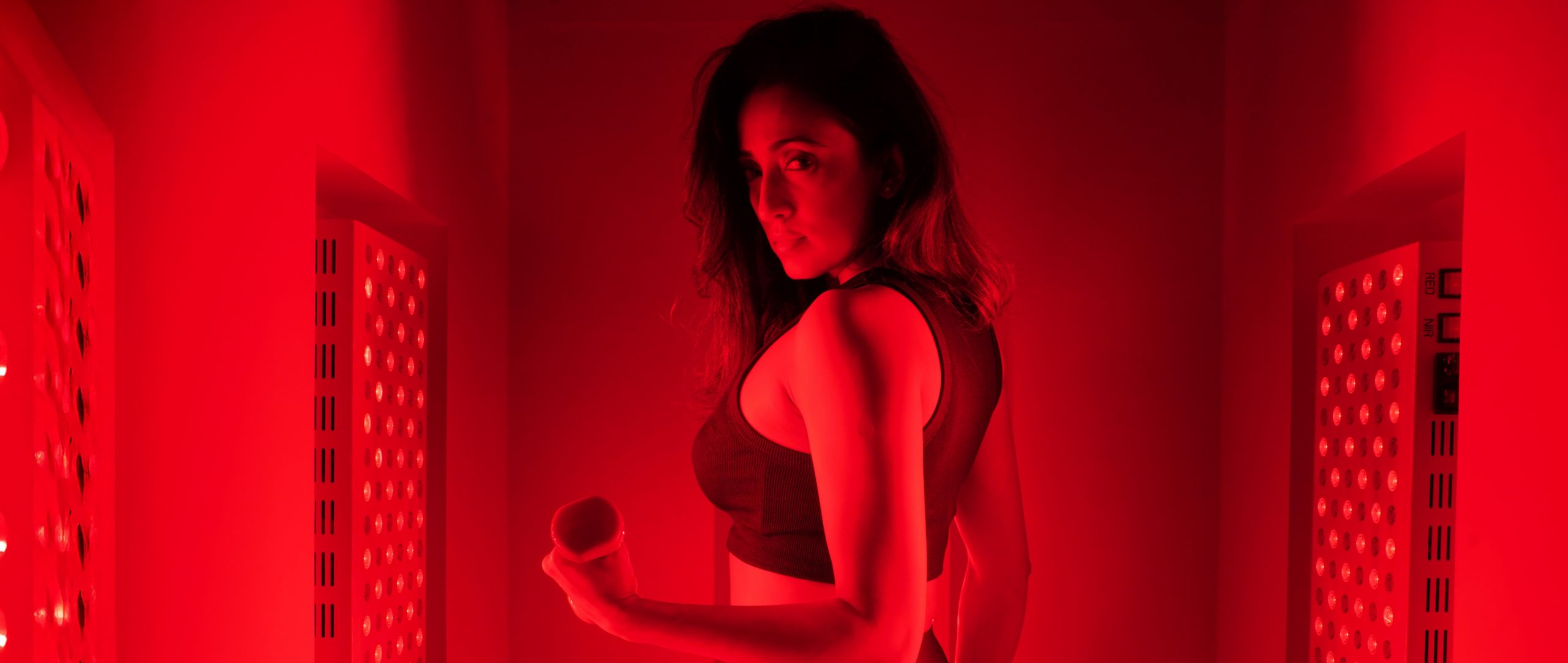
People in India know about red light therapy as a way to improve health because it can make skin look younger, speed up muscle recovery, ease chronic pain, and help people sleep better. Photobiomodulation (PBM) is a process in which specific wavelengths of red or infrared light stimulate mitochondria to produce more ATP. This gives cells more energy and helps them heal naturally.
For residents of Gurugram, New Delhi, Mumbai, Hyderabad, Bengaluru, Chennai, Ludhiana, and Ahmedabad, understanding the right frequency, duration, and approach is essential to maximise benefits. This guide provides evidence-based insights to help you customise your red light therapy routine effectively.
Understanding the “Dose” in Red Light Therapy
Not all red light therapy is the same. The dose, which is based on the combination of wavelengths, irradiance, and session length, determines how well it works.
| Factor | What It Measures | Effect on Therapy |
| Wavelength (nm) | Light frequency, typically 600–700nm for red and 800–1000nm for NIR | Determines how deeply the light penetrates tissues |
| Irradiance (mW/cm²) | The intensity of light on the skin | Higher intensity delivers energy faster, but must be balanced |
| Joules | Total energy delivered per session | Helps quantify the dose-response for effective therapy |
Cells don’t respond much to low light, but too much light can cause oxidative stress and tissue fatigue. The right dose makes sure your cells work well.
Recommended Frequency Based on Wellness Goals
Depending on your goals, like getting rid of wrinkles, recovering from a workout, managing pain, or getting better sleep, the best schedule is different.
For Skin Rejuvenation and Anti-Ageing (Wrinkles & Glow)
Red light therapy helps the body produce collagen, reduces cell damage, and repairs skin from within. Using it regularly makes your skin firmer and smoother, and gives you a natural, healthy glow.
Recommended Frequency:
- Initial phase: 3–5 sessions per week
- Maintenance phase: 1–2 sessions per week
Tips for Best Results:
- Use medical-grade devices for consistent wavelengths and irradiance
- Ensure the skin is clean and hydrated before the sessions
For Muscle Recovery and Athletic Performance
Infrared light therapy penetrates deep into your muscle tissue, helping reduce swelling, speed up healing, and naturally energise your cells from within.
Recommended Frequency:
- 3–6 sessions weekly, especially after intense workouts.
- Work on one large muscle group at a time to get the best results.
- Set the light strength to reach deeper into your muscles where it matters.
- Give each area a full day to rest before treating it again so your body has time to heal and respond.
Stat Insight: Research indicates that NIR therapy can reduce post-exercise oxidative stress by improving mitochondrial efficiency.
For Chronic Pain and Inflammation
Red light therapy reduces pain and accelerates tissue repair by targeting inflammatory pathways. PBM promotes mitochondrial activity, enabling cells to recover quickly and reduce swelling.
Recommended Frequency:
- Acute phase: Daily sessions
- Maintenance: 2–3 sessions per week
Note: Overexposure may cause temporary irritation; structured use is key.
For Sleep and Circadian Rhythm
Your internal clock can be reset with red and NIR light therapy, allowing you to sleep better at night and feel more alert when you need to be. Use it in the morning to feel more alert and energised, or in the evening to help your body produce melatonin for deep sleep.
Recommended Frequency:
- Daily, ideally at consistent times.
- Keep sessions short (5–10 minutes)
- Time your sessions with your body’s natural rhythm.
- Skip using it too late at night, so it doesn’t mess with your sleep schedule.
How Long Should Each Session Last?
Session duration affects the total dose (Joules) delivered. The table below summarises optimal times:
| Goal | Duration | Notes |
| Skin Rejuvenation | 10–15 min | Maintain recommended distance |
| Muscle Recovery | 10–20 min | Target large groups sequentially |
| Pain & Inflammation | 10–20 min | Moderate energy; focus on the affected area |
| Sleep Regulation | 5–10 min | Consistent timing for circadian benefit |
Tip: Medical-grade devices ensure proper irradiance and wavelength, maximising cellular response.
Can You Use Red Light Therapy Too Much?
Overuse can reduce benefits. Signs include:
- Redness or skin sensitivity
- Muscle fatigue
- Lack of improvement
Think of it like a dose-response curve: the right amount produces optimal results, while excess may cause oxidative stress. Stick to a structured schedule customised to your goal to prevent overuse.
Tips to Maximise Your Results
- Prepare Your Skin: Clean, exposed skin absorbs light better. Remove oils or lotions that disturb penetration.
- Stay Hydrated: Drink plenty of water to help cells work their best. Good hydration helps the body create energy more easily and respond better to red and infrared light therapy.
- Track Your Progress: Write down any changes you see in your skin, pain, or sleep. Keeping notes helps you figure out the right session length and how often to do it for the best results.
- Use Quality Equipment: Pick devices with the right light wavelengths, steady output, and proper depth. This keeps your sessions safe, consistent, and effective every time.
Customising Your Red Light Therapy Schedule
Red light therapy and infrared light therapy provide a gentle, non-surgical way to support your health and wellness. The benefits you see depend on how regularly you use it, the length of each session, and your personal goals. A customised plan ensures steady progress without overdoing it—whether you’re aiming for better sleep, relief from chronic pain, healthier-looking skin, or faster muscle recovery. If you’re in Gurugram, New Delhi, Mumbai, Hyderabad, Bengaluru, Chennai, Ludhiana, or Ahmedabad, The Wellness Co. provides expert red light therapy tailored specifically to your individual needs.
If you use red light therapy regularly and in a structured way, it can become an important part of your overall health and well-being.
Disclaimer: This content is for informational purposes only and does not substitute professional medical advice. Consult a healthcare provider before beginning therapy.